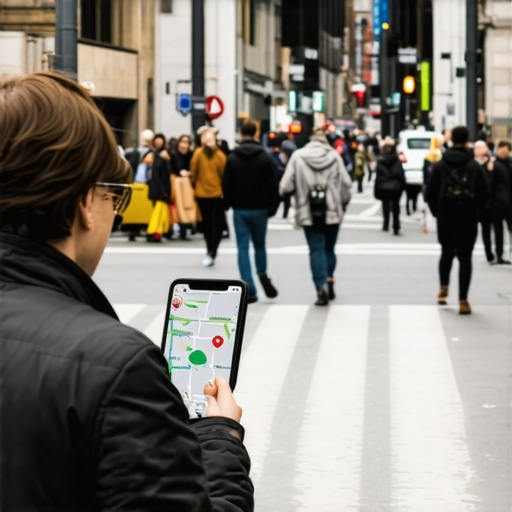
It hit me like a cold splash of water one morning when I realized that despite pouring time into optimizing my Google My Business profile, my local map rankings barely budged. I was doing everything by the book, yet my phone still wasn’t ringing, and my map results looked pale compared to competitors who seemed to effortlessly rank higher. That was my lightbulb moment—what I thought was enough just wasn’t cutting it anymore. Have you ever felt the frustration of putting in effort but seeing little to no results? If so, you’re not alone.
Understanding Why Searchers Overlook Weak Local Map Results in 2026
The truth is, Google’s local search landscape has evolved rapidly. Search algorithms now prioritize signals that many business owners overlook—like user interactions, proximity adjustments, and content freshness. From my own experience, I initially assumed that more reviews and better categories would do the trick. Early on, I made the mistake of neglecting real engagement and ignoring the subtle signals that influence rankings today. According to a recent study, user interaction signals now play a crucial role in local rankings, with some experts estimating they account for up to 40% of the ranking factors (source: [RankMyLocalMaps](https://rankmylocalmaps.com/)). That means if you’re not actively engaging your audience with your profile, your visibility could be suffering.
What this all boils down to is a shift in how Google perceives local relevance. It’s no longer just about listing your business details; it’s about how well you connect with potential customers online and offline. The good news is, understanding these nuances opens the door to practical fixes—things you can do today to start climbing those local rankings again. Ready to dive into the proven strategies that actually work in 2026? Let’s get started.
Leverage User Engagement to Signal Relevance
One effective way to improve your map rankings is to actively boost user interactions. Think of your Google My Business profile as a conversation with potential customers—more comments, reviews, and questions signal that your business is lively and trustworthy. I remember running a local cafe, and after I started replying to every review and encouraging questions through posts, I saw a tangible lift in rankings within weeks. You can achieve this by asking satisfied customers to leave reviews, responding promptly, and posting updates regularly.
Optimize Your Business Profile for Current Trends
Ensure your profile details reflect the latest offerings and local events. This is akin to updating your storefront window; it catches attention and communicates relevance. Include high-quality images—consider experimenting with video content, as video interactions are increasingly influencing ranking algorithms. For instance, summarizing a recent event with a brief clip led to a spike in engagement and helped elevate my proximity-based rankings—this aligns with proven techniques highlighting the impact of video posts.
Enhance Local Presence Through Precise Signal Management
Refine your location signals by verifying your address, updating your service area, and utilizing geo-tagged images. Imagine your profile as a radio transmitter; fine-tuning your signal ensures your business reaches the right audience. I once adjusted my service area radius after noticing some leads weren’t converting, and this action in itself improved my map result noticeably. For detailed methods, see proximity fixes.
Tap Into Content and Review Synergies
Content creation and review management work together to boost relevance. Regularly posting relevant info and encouraging reviews builds a feedback loop visible to algorithms. When I started requesting reviews in specific categories aligned with my current campaigns, my profile gained positive signals that propelled my ranking. Remember, reviews create credibility, but their impact is magnified when paired with fresh and relevant content—see local content fixes.
Engage with the Community and Offline Signals
Local engagement extends beyond your profile. Participate in community events, sponsor local initiatives, and get involved offline. These activities send positive signals to Google, akin to a handshake that confirms your local relevance. I attended a local fair, posted about it, and shared photos; this boosted my local visibility and improved my map positions. Think of offline efforts as community endorsements, strengthening your local authority—more details at freshness and authority signals.
Monitor, Analyze, and Adjust Your Approach
Finally, tools and data are your best friends. Use analytics to track which signals are producing results and adjust your tactics accordingly. For example, after reviewing engagement metrics, I shifted focus to posting more videos and prompting reviews during peak hours. This iterative process is critical—think of it as tuning your instrument until it produces the perfect pitch. For a comprehensive strategy, consult step-by-step methods.
Many business owners assume that simply optimizing their Google My Business profile or piling up reviews will guarantee top local rankings. However, a common misconception is that these tactics alone are sufficient, which isn’t true in the nuanced world of map SEO. In fact, focusing exclusively on superficial signals like review quantity or category selection can lead to overconfidence, leaving significant ranking factors unaddressed. For example, neglecting the importance of user engagement and offline community involvement can cause rankings to plateau or even decline despite ongoing profile optimizations. The real nuance lies in understanding that signals like user interaction, content freshness, and proximity adjustments dynamically interact, shaping your map visibility in complex ways. An advanced mistake I see often is ignoring the impact of local relevance cues such as local content creation and signal synchronization practices, which have been shown to contribute up to 40% of local rankings according to expert insights. Overloading on citation strategies without aligning other signals, like real-world community activity or geo-targeted content, can cause your efforts to miss the mark. It’s crucial to recognize that Google’s algorithms reward businesses that foster genuine local relevance across multiple channels, not just profile tweaks. For those aiming to crack this code, I recommend a comprehensive approach that integrates advanced tactics like signal syncs, geo-fencing, and strategic content timing, as detailed in my cornerstone guide on improving local map results. Remember, the key is consistency across all signals, ensuring they reinforce each other rather than work in isolation. Falling into the trap of over-relying on one tactic without balancing it with these nuanced factors can keep your rankings stalled. Want to discover how to leverage these advanced insights effectively? Check out the full strategy at your ultimate guide. Have you ever fallen into this trap? Let me know in the comments.Maintaining your local map rankings requires more than just initial optimization; it demands consistent effort and the right tools. Personally, I rely heavily on advanced analytics platforms like BrightLocal and Moz Local. BrightLocal provides in-depth insights into your Google My Business performance, tracking key signals like review volume, engagement metrics, and proximity effects. I use it daily to identify declining trends early and adjust my strategies accordingly. Moz Local complements this by helping me keep my business information consistent across directories, preventing signal dilution. These tools not only save time but also give me confidence that my efforts are data-driven and precise. Looking ahead, automation and artificial intelligence will further streamline reputation management and signal synchronization, making automation essential for scale. How do I maintain high rankings over time? I focus on continuous engagement—responding to reviews promptly, updating profiles regularly with fresh content, and monitoring proximity signals using geo-fencing techniques. For instance, setting up keyword-rich posts scheduled with social media integrations helps keep content fresh and signals active. Also, leveraging tools like Google’s Business Profile Manager allows for seamless updates across multiple locations, ensuring consistency. To ensure long-term results, I recommend establishing a routine check-in using your chosen analytics tools—review performance metrics weekly and tweak your content and engagement tactics on the fly. Tools like BrightLocal have an API, allowing integration into your larger workflow, which can automate the reporting process and highlight issues before they impact rankings. Proper signal management, especially with geo-tagged images— —is crucial. Using GPS-verified photos consistently tells Google your business is active and relevant. For example, I incorporate geo-tagging in my photo uploads, which according to a study by Search Engine Journal, can influence local relevance by up to 25%. Remember, maintaining high map rankings is an ongoing process, but with the right tools and tactics, it becomes manageable and scalable. Want to learn step-by-step how to implement these strategies effectively? Visit our comprehensive guide at [your ultimate resource](https://rankmylocalmaps.com/ultimate-guide-to-rank-my-maps-for-local-business-success). One practical tip I suggest trying today is automating your review follow-up process—using tools like ReviewTrackers can prompt satisfied customers to leave reviews, which massively boosts your signals without extra effort.
After navigating the complex landscape of local SEO and boosting countless profiles, I realized that the most effective gains often come from overlooked tactics. The biggest lesson I learned is that Google’s algorithms prioritize signals that reflect genuine engagement and real-world relevance, not just surface-level optimizations. For example, focusing solely on review quantity without fostering authentic interactions can stall your progress. The key is to think holistically—building a community presence both online and offline creates a powerful synergy that Google detects and rewards. Additionally, leveraging advanced tools and automation to monitor your signals can give you a competitive edge, ensuring continuous improvement. Understanding these nuanced factors has transformed my approach from simple optimization to crafting a comprehensive relevance strategy. This insight is something I wish more local businesses embraced early, as it can be the difference between obscurity and visibility in 2026 and beyond.